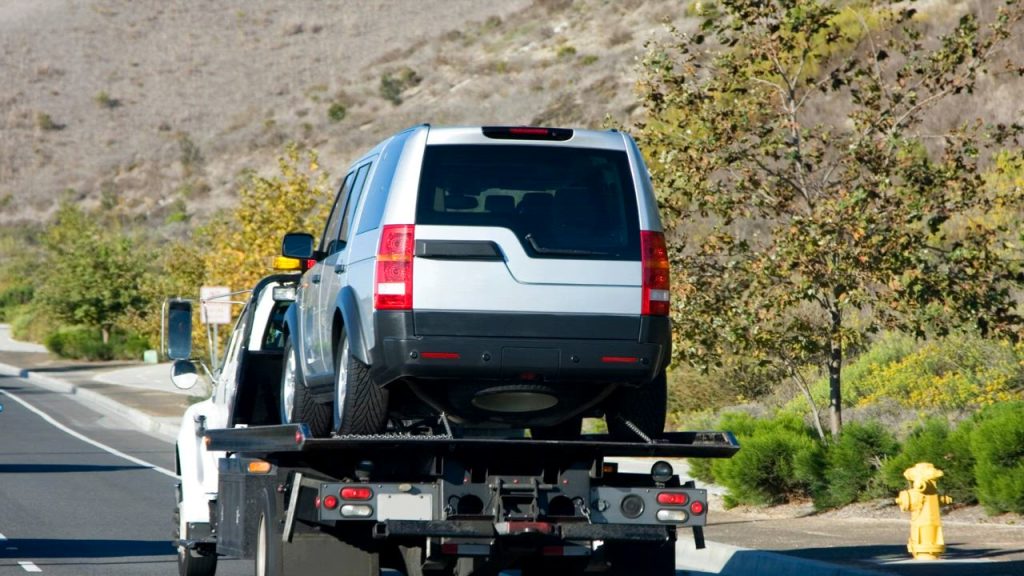
What is Medium Duty Towing and When is It Needed?
When a delivery truck dies in traffic, the wrong tow truck can make a bad morning worse. NHTSA classifies vehicles with GVWRs from 10,000 through 26,000 pounds as medium duty in its crash-avoidance guidance. So, when does a heavier vehicle need medium duty towing?
Quick Answer
Medium duty towing moves heavier vehicles that exceed ordinary passenger-vehicle towing needs. It commonly covers delivery trucks, larger work vans, box trucks, some RVs and similar commercial vehicles. You should request it after breakdowns, collisions, unsafe immobilization or non-running transport needs. The next step is matching the vehicle with the right towing equipment.
What is Medium Duty Towing?
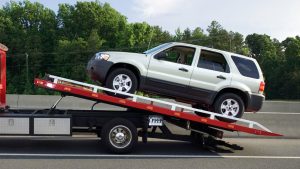
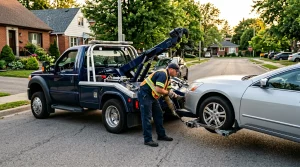
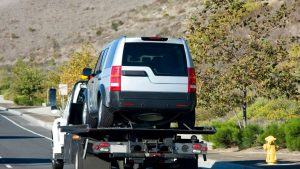
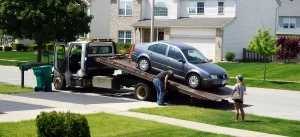
Medium duty towing sits between light-duty car towing and heavy recovery. The service uses stronger tow trucks, under-reach systems, wheel lifts, flatbeds, winches and securement gear for heavier vehicles. Zee Towing lists integrated wreckers, rollbacks, wheel lifts, L-arms, under-reach systems, straps, winches and tow dollies among its medium-duty equipment.
Weight alone doesn’t tell the whole story. Dispatchers also consider wheelbase, height, axle layout, drivetrain, damage, cargo and road position. A tall box truck on a shoulder may need different handling than an empty work van. That equipment match can reduce loading trouble, avoid extra delays and limit avoidable vehicle damage.
What Vehicles Typically Need Medium Duty Towing?
Medium-duty towing often serves working vehicles that sit above everyday passenger cars. Still, body style alone doesn’t decide the tow; weight, dimensions and condition also matter.
Delivery and Commercial Trucks
Delivery routes don’t stop because a truck loses power. Box trucks, parcel vehicles and similar commercial units often need greater lifting strength than a light-duty truck provides. Cargo bodies also add height and weight, which changes loading angles and stability.
- Box trucks: Common medium-duty candidates after mechanical failure.
- Delivery trucks: Often need matched wheel-lift or under-reach equipment.
- Loaded vehicles: Cargo weight can change the towing plan.
Larger Vans and Work Vehicles
Large service vans can look ordinary until tools get counted. Equipment racks, shelving, parts and cargo can add serious weight. That added mass may push towing needs beyond a car carrier.
- Utility vans: Often carry heavy tools or installed equipment.
- Shuttle vans: Length and passenger layout affect handling.
- Dual-rear-wheel vans: Rear axle design may require stronger gear.
RVs and Motorhomes
RVs vary widely, so medium duty isn’t automatic. Smaller motorhomes may fit medium-duty equipment, while larger coaches can require heavy-duty recovery. Height, overhang, wheelbase and GVWR matter more than the RV badge.
- Class C motorhomes: Many sit near medium-duty weight classes.
- Compact motorhomes: Some fit a medium-duty towing setup.
- Large coaches: These often need heavy-duty towing instead.
Other Heavier Vehicles
Some vehicles sit between passenger towing and heavy recovery. Small buses, utility trucks, step vans and certain pickups may need medium-duty support. The safe choice depends on vehicle specifications, not a quick visual guess.
- Step vans: Tall bodies change clearance and loading needs.
- Utility trucks: Service bodies add substantial curb weight.
- Heavy pickups: Dual rear wheels may change equipment needs.
When Do You Need Medium Duty Towing?
Medium duty towing becomes the right call when a standard tow truck can’t safely handle the vehicle’s size, weight or condition. The need may appear after a routine breakdown or a serious crash. In either case, accurate dispatch information helps send suitable equipment the first time.
- Your vehicle is too heavy: It exceeds ordinary light-duty towing limits.
- Your vehicle breaks down: Mechanical or electrical failure leaves it immobile.
- Your vehicle has accident damage: Steering or suspension damage complicates loading.
- Your vehicle stops in danger: Traffic exposure may require controlled recovery.
- You need non-running transport: Commercial vehicles sometimes need shop relocation.
Medium Duty Towing vs Light Duty Towing: Which One Should You Choose?
The difference starts with vehicle size, weight and towing demand. NHTSA’s crash-avoidance database guidance labels vehicles at or below 10,000 pounds GVWR as light duty. It labels 10,000 through 26,000 pounds GVWR as medium duty. Actual tow-truck ratings still depend on the equipment used.
| Factor | Light Duty Towing | Medium Duty Towing |
| Typical vehicles | Cars, motorcycles, small SUVs | Box trucks, vans, some RVs |
| Vehicle weight | Usually lighter passenger vehicles | Heavier commercial or work vehicles |
| Tow equipment | Light flatbeds and wheel lifts | Medium wreckers, under-reach, stronger lifts |
| Recovery demand | Routine breakdowns and transport | Heavier breakdowns and accident recovery |
| Vehicle dimensions | Lower height and shorter wheelbase | More height, length and rear overhang |
| Dispatch details | Make, model, location | GVWR, axle layout, load, damage, location |
| Best choice | When light equipment fits safely | When size or weight exceeds light-duty needs |
Can a Regular Tow Truck Tow a Medium-Duty Vehicle?
Sometimes but not safely in every case. A standard light-duty tow truck has equipment and weight limits. Its wheel lift, underlift, axle ratings and securement points must match the disabled vehicle. A truck that looks “close enough” may still fall outside the tow unit’s safe operating range. That mismatch can turn a simple tow into trouble.
Using undersized equipment can strain components and create unstable loading. It can also cause delays when another truck must arrive. Tell dispatch the make, model, body type, GVWR, load condition and damage. If the vehicle sits near a class boundary, those details matter even more.
Vehicles beyond medium-duty limits may require heavy duty towing instead.
What Should You Do if Your Medium-Duty Vehicle Breaks Down?
A breakdown feels different inside a loaded van or box truck. More weight means more stopping distance, more exposure and fewer easy roadside fixes. Focus first on people and traffic. Then gather vehicle details before calling for medium duty towing or roadside assistance.
- Move somewhere safer if possible: Avoid blocking active travel lanes.
- Turn on hazard lights: Make the stopped vehicle easier to see.
- Skip risky roadside repairs: Don’t work beside moving traffic.
- Keep people away from traffic: Use a safer waiting area.
- Identify the vehicle: Note make, model, body style and GVWR.
- Call the right towing provider: Describe the vehicle before dispatch.
- Share exact scene details: Give location, damage, cargo and destination.
Sometimes the vehicle only needs roadside help. Zee Towing also provides roadside assistance services for problems that don’t require immediate towing.
When Should You Call a Medium Duty Towing Service?
Call sooner when vehicle weight or damage makes ordinary towing questionable. A quick description can prevent a second dispatch. If you’re uncertain, say so. The towing company can match equipment after reviewing the vehicle and scene.
- Your commercial truck won’t start: Request help when roadside repair isn’t practical.
- Your delivery vehicle breaks down: Medium-duty gear may match its weight better.
- Your larger van stops moving: Added cargo can change towing requirements.
- Your vehicle has crash damage: Damaged steering or wheels may need recovery gear.
- Your vehicle is too large: Light-duty equipment may not have enough capacity.
- You don’t know the tow class: Give dispatch your vehicle specifications.
Explore Medium Duty Towing Services & See if Your Vehicle Falls in This Category!
Need reliable help for a larger vehicle? Zee Towing provides medium duty towing for breakdowns, accident recovery, and non-running commercial vehicles. The right tow truck can reduce delays and protect your vehicle during transport. Before calling, gather your vehicle type, GVWR, damage details, pickup location, and destination.
Not sure which towing class fits your vehicle?
Ask the towing team before dispatching a truck. Clear vehicle details can save time and prevent the wrong equipment from arriving.
Explore Zee Towing’s medium duty towing service today. Get the right towing support when your commercial vehicle needs dependable help most on the road.
Frequently Asked Questions (FAQs)
Can Medium Duty Towing be Used for Commercial Vehicles?
Yes. Medium duty towing commonly serves box trucks, delivery vehicles, work vans, step vans and other commercial units. Vehicle weight and dimensions still control the final equipment choice. Cargo can matter too, especially when a loaded truck sits near the tow unit’s operating limit.
Can a Medium-Duty Vehicle be Towed After an Accident?
Yes, when the towing equipment matches the vehicle and damage. Accident recovery may require winching, under-reach equipment or a flatbed setup. Bent wheels, damaged steering, leaking fluids or poor road position can change the recovery method. Share those details before the truck leaves.
How Do I Know What Type of Tow Truck I Need?
Start with your vehicle’s make, model, body style and GVWR. Then describe cargo, axle layout, damage and location. The towing provider can use that information to choose light, medium or heavy equipment. Ask for a current quote at the same time because tow pricing can vary by job.
Can Medium Duty Towing Transport a Non-Running Vehicle?
Yes. Medium duty towing can move non-running commercial vehicles when the tow unit matches their size and weight. The operator may use a wheel lift, under-reach, flatbed, winch or dollies depending on the condition. Tell dispatch if wheels, steering, brakes or drivetrain components cannot move normally.
Latest Post