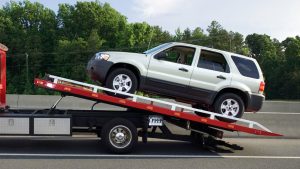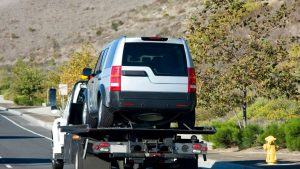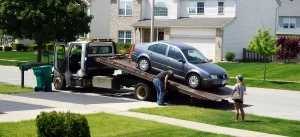
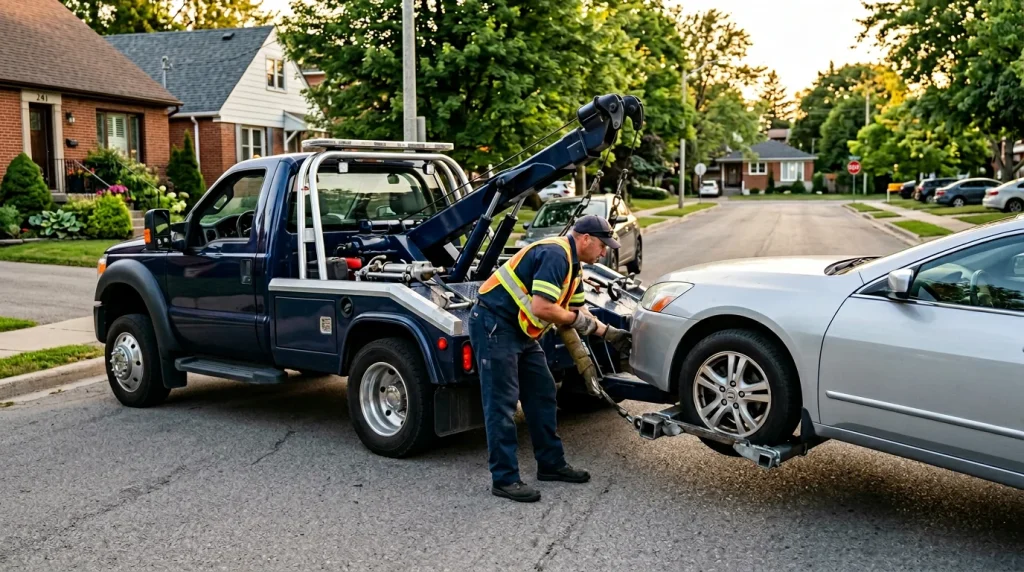
When is Wheel Lift Towing the Best Option for a Vehicle?
Not every disabled vehicle needs a flatbed. Sometimes, the practical answer is a tow truck that lifts only two wheels. Sources reported 13 million towing calls in 2024, showing how common vehicle recovery is. So, when does wheel lift towing make the most sense?
Quick Answer
Wheel lift towing is often best for suitable cars, SUVs, pickups, and light-duty vehicles needing short transport, tight-space removal, or roadside relocation. It can help with breakdowns, improper parking, and disabled vehicles. However, drivetrain, weight, ground clearance, wheel condition, and existing damage determine whether this towing method fits. That assessment comes before the lift.
What is Wheel Lift Towing?
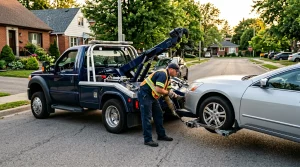
Wheel lift towing uses a hydraulic lifting system behind a tow truck. A metal crossbar and wheel grids cradle two tires. Then, the system raises one end of the vehicle. The opposite wheels usually remain on the road during transport. Safety chains, wheel straps and restraints help keep everything stable.
This setup can work well when space feels tight. It also suits many short-distance towing jobs. Zee Towing lists crossbars, L-arms, hydraulic cylinders, straps, safety chains, dollies and tow lights among its wheel-lift equipment. You can also review Zee Towing’s wheel lift towing service before requesting a truck.
When is Wheel Lift Towing the Best Option?
Wheel lift towing often makes sense when access and vehicle design line up. Picture a sedan stalled inside a narrow parking area. A large rollback may struggle to approach comfortably. A wheel-lift truck can often work within less space.
The method commonly fits these situations:
- A Vehicle Needs a Quick Local Tow: Short trips to nearby repair shops often suit wheel-lift equipment.
- Space is Limited: Narrow streets, crowded lots, tight driveways and confined properties can favor smaller equipment.
- A Vehicle is Parked Improperly: Wheel lifts can relocate suitable vehicles when proper towing procedures apply.
- A Disabled Vehicle Cannot Move: The system can lift one axle without requiring the car to drive.
- The Vehicle Suits Wheel Lift Towing: Weight, drivetrain, tires, clearance and damage must support the method.
That last point matters most. A tow truck may fit the street while the towing method doesn’t fit the car.
What Types of Vehicles Can be Towed With a Wheel Lift?
Wheel lifts commonly serve light-duty vehicles. Still, size alone never decides the correct towing method. The operator should check weight, drivetrain, condition, clearance and vehicle instructions before lifting anything.
- Cars and Sedans: Many front-wheel-drive or rear-wheel-drive cars can suit wheel-lift towing.
- SUVs and Smaller Utility Vehicles: Some models work well when their weight and drivetrain permit.
- Pickup Trucks: Lighter pickups may qualify when the tow unit has enough rated capacity.
- Other Light-Duty Vehicles: Compact work vehicles and similar units may also fit this method.
How Does Wheel Lift Towing Work?
The process looks simple from the curb. Still, every step requires careful vehicle assessment. The operator first checks the vehicle. Then, the lifting equipment gets matched to its weight and condition.
- The Tow Truck Arrives and Assesses the Vehicle: The operator checks drivetrain, weight, damage, wheel condition and available space.
- The Appropriate Wheels are Positioned for Lifting: The wheel lift slides beneath the tires selected for transport.
- The Vehicle is Secured to the Wheel Lift: Straps, safety chains and restraints secure the lifted axle.
- The Vehicle is Lifted and Stabilized: Hydraulic equipment raises the axle while clearance gets checked.
- The Tow Truck Transports the Vehicle: The operator monitors stability, turning space and road conditions.
Wheel Lift Towing vs Flatbed Towing: What’s the Difference?
Both towing methods move disabled vehicles. However, they handle road contact very differently. Wheel lift towing usually keeps two wheels on the pavement. Flatbed towing carries the entire vehicle above the roadway.
|
Factor |
Wheel Lift Towing |
Flatbed Towing |
|
Vehicle Position |
One axle gets lifted |
Entire vehicle sits on platform |
|
Road Contact |
Two wheels usually remain down |
No tires roll on roadway |
|
Common Use |
Short local towing |
Longer transport or sensitive vehicles |
|
Tight Spaces |
Often easier to position |
Needs more loading room |
|
Drivetrain Concerns |
Requires careful drivetrain matching |
Often reduces drivetrain movement |
|
Ground Clearance |
Must be checked before towing |
Vehicle rests fully on the bed |
|
Damaged Wheels |
May require dollies |
Often better when wheels cannot roll |
|
AWD or 4WD |
May require dollies or special handling |
Frequently preferred for many models |
Manufacturer instructions can change the answer quickly. Toyota’s 2026 Tacoma manual, for example, gives specific wheel-lift and dolly procedures. It also warns against certain towing setups with tires contacting the road.
Is Wheel Lift Towing Safe for Your Vehicle?
Yes, wheel lift towing can be safe when the vehicle suits the method. The better question is more specific: does the equipment match your particular vehicle? Weight, drivetrain, attachment points, damage and ground clearance can all change that answer.
- Proper Equipment Selection: The tow unit must support the vehicle’s weight and dimensions.
- Correct Attachment Points: Wheel grids and restraints should contact suitable areas.
- Vehicle Weight: Heavier vehicles may require stronger towing equipment.
- Drivetrain: Drive wheels may require lifting or towing dollies.
- Ground Clearance: Low bodywork needs enough road clearance during transport.
- Vehicle Condition: Collision damage may rule out normal wheel-lift towing.
Manufacturer guidance deserves attention too. Ford’s F-150 Lightning emergency guide says all-wheel-drive or four-wheel-drive vehicles should have all wheels off the ground through dollies or flatbed equipment. That’s why AWD vehicles deserve extra care. The badge on the trunk doesn’t tell the whole story.
Explore and See if Wheel Lift Towing is Better for Your Towing Needs or Not!
Choosing a towing method shouldn’t feel like guessing under pressure. Start with vehicle type, drivetrain, damage, location and towing distance. Wheel lift towing works well for suitable cars, SUVs, pickups and short local moves.
Tight parking lot? Disabled sedan? Limited loading space?
Those details may point toward a wheel lift. However, AWD systems, damaged wheels, low clearance or longer transport can favor a flatbed. Zee Towing can review your situation before dispatch. Explore its wheel lift towing service and describe your vehicle clearly.
Frequently Asked Questions
Can AWD Vehicles be Towed With a Wheel Lift?
Sometimes, though, special equipment may be required. Many AWD vehicles shouldn’t roll with only two wheels down. Their drivetrain components may remain mechanically connected. A wheel lift combined with tow dollies can sometimes keep all four wheels above the road. Always check the vehicle manual before transport.
Can Wheel Lift Towing Tow SUVs and Pickup Trucks?
Yes, many SUVs and light pickup trucks can use wheel lift towing. However, the tow unit must have enough rated capacity. The operator also considers drivetrain, wheelbase, ground clearance and vehicle condition. Larger trucks may need medium-duty equipment instead.
Does Wheel Lift Towing Damage Tires?
Proper wheel lift towing shouldn’t damage healthy tires when equipment is positioned correctly. Modern wheel grids cradle the tires rather than pulling against body panels. However, damaged tires, locked wheels, incorrect restraints or poor setup can cause trouble. The operator should inspect those conditions first.
Can Wheel Lift Towing be Used for Accident-Damaged Vehicles?
Yes, in some cases. However, accident damage can change the towing plan completely. Bent wheels, broken suspension parts, steering damage, fluid leaks or severe body damage may call for dollies, winching or flatbed towing. Tell dispatch what happened before the tow truck arrives.
Latest Post