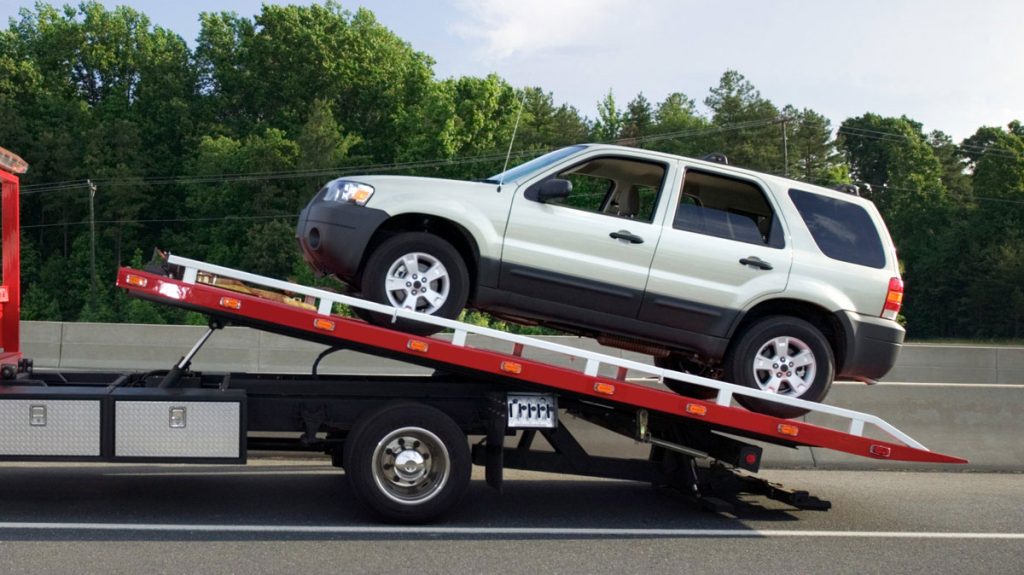
What Every Driver Should Know About Emergency Towing
Roadside trouble rarely gives you time to think clearly. Sources report that more than 2100 people were struck and killed while stranded or working roadside from 2019 through 2023. When your vehicle suddenly stops, what should you know about emergency towing?
Quick Answer
Emergency towing moves a vehicle when a breakdown, crash, mechanical failure, roadside hazard or serious damage makes driving unsafe or impossible. At Zee Towing, we use the vehicle’s size, condition, drivetrain, location and recovery needs to choose suitable equipment. Share clear details when you call. That information helps us plan the safest next move.
What is Emergency Towing?
Emergency towing is unplanned vehicle recovery when normal driving isn’t safe. You may need it after engine failure, collision damage, steering trouble, overheating or another serious roadside problem. Unlike scheduled vehicle transport, emergency towing starts because something has already interrupted your trip.
At Zee Towing, we provide towing services for different vehicle classes and roadside situations. Our Louisiana service areas include communities across the Greater New Orleans metro area. We also operate around the clock for roadside emergencies.
The correct towing setup depends on several details. Vehicle weight matters first. Drivetrain, wheel condition, road position, clearance and existing damage matter too. That’s why we ask questions before sending a towing unit.
When Should You Call for Emergency Towing?
Sometimes, you know immediately that driving isn’t an option. A wheel may sit at an odd angle after impact. Smoke may rise from the engine bay. Other situations are less obvious. The vehicle still moves, yet something feels seriously wrong.
When safety feels uncertain, don’t gamble on “one more mile.”
Call for emergency towing when:
- Your Vehicle Cannot be Safely Driven: Brake, steering, tire or suspension trouble can make movement risky.
- Your Vehicle Has Been in an Accident: Hidden damage may affect steering, cooling, wheels or suspension.
- Your Vehicle Breaks Down on a Busy Road: Remaining roadside may expose you to fast-moving traffic.
- Your Vehicle is Stuck or Disabled: A ditch, mechanical fault or damaged wheel may require recovery.
- Driving Could Cause More Damage: Overheating or drivetrain problems can become costlier with continued driving.
If the car only needs a jump start or tire change, towing may not be necessary. Our roadside assistance covers several problems that can sometimes be solved where the vehicle stops.
What Should You Do Before the Tow Truck Arrives?
Waiting can feel like the longest part. Still, what you do during those minutes matters. Your first job isn’t checking the engine repeatedly. It’s reducing your exposure to traffic and giving dispatch useful information.
Keep these steps in mind:
- Move to a Safe Location if Possible: Pull away from active traffic when the vehicle can move safely.
- Turn on Your Hazard Lights: Make your stopped vehicle easier for approaching motorists to notice.
- Stay Aware of Surrounding Traffic: Keep watching traffic instead of assuming drivers see you.
- Don’t Attempt Unsafe Repairs: A roadside repair isn’t worth standing beside fast traffic.
- Gather Important Details: Note your location, vehicle type, damage and destination before calling.
What Information Should You Give an Emergency Towing Company?
The better the information, the easier dispatch becomes. Saying “my truck broke down” leaves too many blanks. Is it a small pickup or loaded box truck? Are the wheels turning? Did an accident damage the steering?
When you call us, try to provide:
- Your Exact Location: Share a street, intersection, exit, landmark or GPS position.
- Vehicle Make and Model: This helps identify basic vehicle dimensions and drivetrain.
- Approximate Size: Mention unusually large bodies, modifications, trailers or extra equipment.
- Vehicle Type: Tell us whether it’s a sedan, SUV, pickup, van or commercial vehicle.
- What Happened: Explain the breakdown, collision, overheating or other roadside problem.
- Vehicle Condition: Mention damaged wheels, fluid leaks, locked steering or poor ground clearance.
One extra minute explaining the situation can save confusion later.
What Happens When an Emergency Tow Truck Arrives?
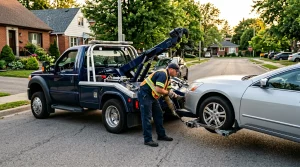
Once we reach the vehicle, we don’t simply hook it up and leave. The scene comes first. We look at the vehicle, damage, road position, weight class and available working space. That assessment helps us choose a suitable recovery method. Our towing process also matches units according to vehicle class and job requirements.
- The Driver Assesses the Situation: We inspect vehicle condition, traffic exposure, access and towing requirements.
- The Appropriate Equipment is Selected: The vehicle may need a flatbed, wheel lift, wrecker or heavier recovery unit.
- The Vehicle is Secured: Straps, restraints, chains or other towing gear hold the vehicle correctly.
- The Vehicle is Transported: We move it toward the repair shop, storage location or agreed destination.
What Type of Tow Truck Will You Need?
There isn’t one tow truck for every problem. A compact sedan needs different handling than a delivery truck. We look at weight, drivetrain, damage, clearance and wheel condition before choosing equipment.
Light Duty Towing
Light duty towing commonly fits passenger vehicles and smaller roadside recoveries. We use this category for many everyday breakdowns where larger equipment isn’t necessary.
- Common vehicles: Sedans, compact SUVs, motorcycles and smaller pickups.
- Typical jobs: Breakdowns, local towing and minor collision recovery.
- Equipment: Flatbeds or wheel-lift systems may suit the vehicle.
Medium Duty Towing
A delivery van can look manageable until weight enters the picture. Medium-duty towing covers larger vehicles that sit above normal passenger-car requirements.
- Common vehicles: Vans, delivery trucks and smaller commercial units.
- Typical jobs: Mechanical breakdowns, accident recovery and vehicle transport.
- Main factor: Size and loaded weight can change the required tow unit.
Heavy Duty Towing
Large commercial vehicles bring a different set of problems. A bus or tractor-trailer needs far greater recovery capacity than a family SUV.
- Common vehicles: Semis, buses, trailers and construction equipment.
- Typical jobs: Heavy breakdowns, collision recovery and difficult extractions.
- Equipment: Heavy winches, underlifts, dollies or recovery trucks may be used.
Our heavy duty towing service covers large commercial vehicles and demanding recovery jobs.
Flatbed Towing
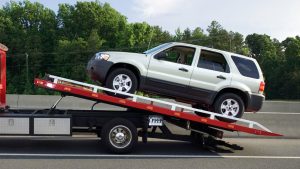
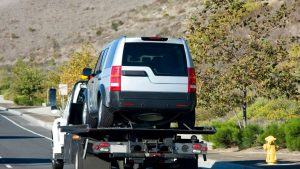
Flatbed towing places the whole vehicle on a carrier. That means the tires don’t keep rolling on the roadway during transport.
- Useful for: AWD vehicles, damaged cars and certain low-clearance vehicles.
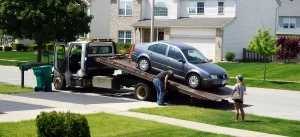
- Loading: A winch can pull a non-running vehicle onto the bed.
- Transport: The complete vehicle remains supported during travel.
We offer flatbed towing for both emergency recovery and planned vehicle transport.
Wheel Lift Towing
Wheel lift towing raises one axle while another pair of wheels stays down. It can work well for suitable vehicles and shorter towing situations.
- Useful for: Many lighter two-wheel-drive vehicles.
- Space: Wheel-lift trucks can work well in tighter locations.
- Main check: Drivetrain, vehicle condition and towing distance still matter.
Our wheel lift towing service is another option when the vehicle fits this towing method. Zee Towing describes wheel-lift towing as useful for suitable short-distance 2WD transport.
Can You Request Emergency Towing After an Accident?
Yes. You can request emergency towing after an accident when your vehicle cannot be driven safely. A car may still start after a crash, yet that doesn’t mean it belongs back on the road. Bent suspension parts, damaged tires, fluid leaks or steering problems can hide beneath visible body damage.
If police or emergency crews are managing the scene, follow their instructions first. Then tell us exactly where the vehicle sits. Explain any visible damage too. If a wheel won’t turn or the steering is locked, mention that before dispatch.
Insurance procedures vary by policy and accident circumstances. However, clear documentation can make later conversations easier. Photos of the vehicle and scene may also help when conditions allow.
Get Emergency Towing from Zee Towing and Let Us Take Care of Your Vehicle Professionally!
A roadside emergency is stressful enough without guessing what comes next. If your vehicle won’t move safely, contact Zee Towing and tell us what happened. Share your location, vehicle type, condition and preferred destination. We’ll use those details to match the situation with suitable towing equipment.
Need help after a breakdown or accident?
Our emergency towing services are available day and night across our Louisiana service areas.
Frequently Asked Questions
How Long Does Emergency Towing Take?
Emergency towing arrival times vary. Traffic, weather, your exact location, demand and required equipment can all affect dispatch. A heavy commercial vehicle may also need a different truck than a sedan. Give us an accurate location and vehicle description when calling. That helps us provide a more realistic arrival estimate.
Can a Tow Truck Take My Car After an Accident?
Yes. A tow truck can transport an accident-damaged car when suitable equipment is available. We first look at wheel condition, steering, suspension, body damage and vehicle position. Some cars can use a wheel lift. Others may need a flatbed because their wheels or drivetrain shouldn’t remain on the road.
Can Emergency Towing Help With a Vehicle That Won’t Start?
Yes. If roadside assistance cannot get the vehicle running, emergency towing can move it elsewhere. Sometimes the problem is only a dead battery. In that case, a jump start may solve it. If the engine still won’t start afterward, towing can move the car toward a repair facility.
What Information does a Tow Truck Driver Need?
Start with your location, vehicle make, model, type and condition. Explain why the vehicle stopped. Mention accident damage, locked wheels, leaks or unusual vehicle size. We’ll also need to know where you want the vehicle taken. Those details help us choose a suitable truck before reaching you.
Latest Post